
Drywall contractor serving Waukesha and Waukesha County, WisconsinRequest a free estimate
Get a free estimate

Straight walls.Square corners.Done when we said.

Waukesha Elite Drywall hangs, finishes and repairs drywall for homes and commercial buildings in Waukesha, Wisconsin. You get a written scope, a real schedule and a crew that sticks to both.

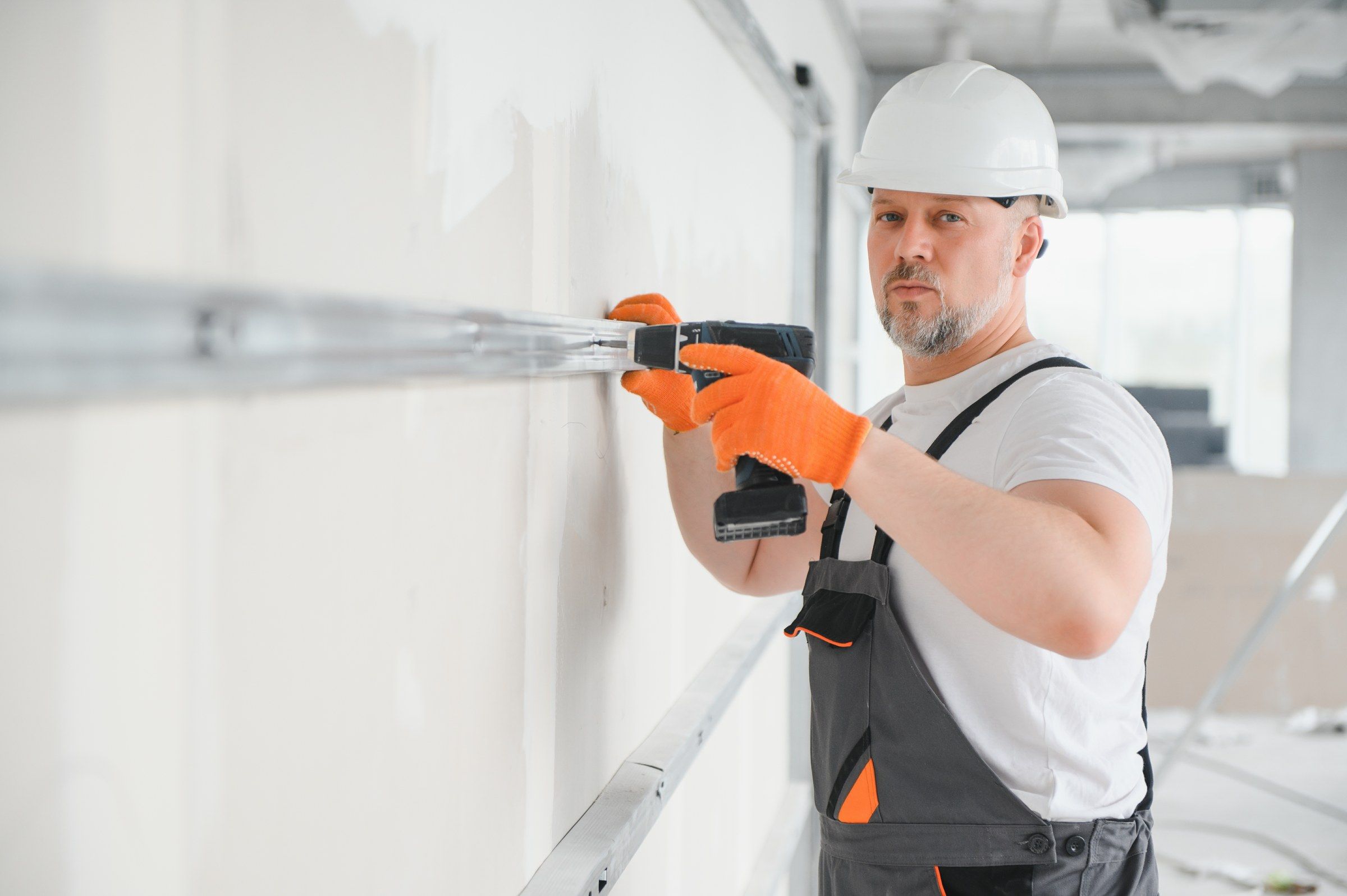
Drywall installer in a hard hat fastening steel framing track to a wall
Illustrative photo

Request a free estimate

Tell us what you need. We answer with a written price.

Room sizes, what happened, and your timing all help us give a realistic figure.

Up to 5 images, 10 MB each.

We use these details only to reply about your project.

Worker in a hard hat and safety glasses fastening a drywall corner
How we run a job

Four things we do on every job, large or small

  • A written scope before work starts

    What is included, what is not, the finish level and the schedule. On paper, so there is nothing to argue about later.

  • The right board in the right place

    Fire-rated where the code wants it. Moisture-resistant where water is. Thicker board on ceilings so they stay flat.

  • Coats that are allowed to dry

    Rushed compound cracks and shrinks. We schedule around drying time instead of pretending it is not there.

  • A walkthrough under a work light

    Before we call a job finished we look at every wall the way your painter will, and fix what shows.

Who we work for

Two kinds of customer. One way of working.

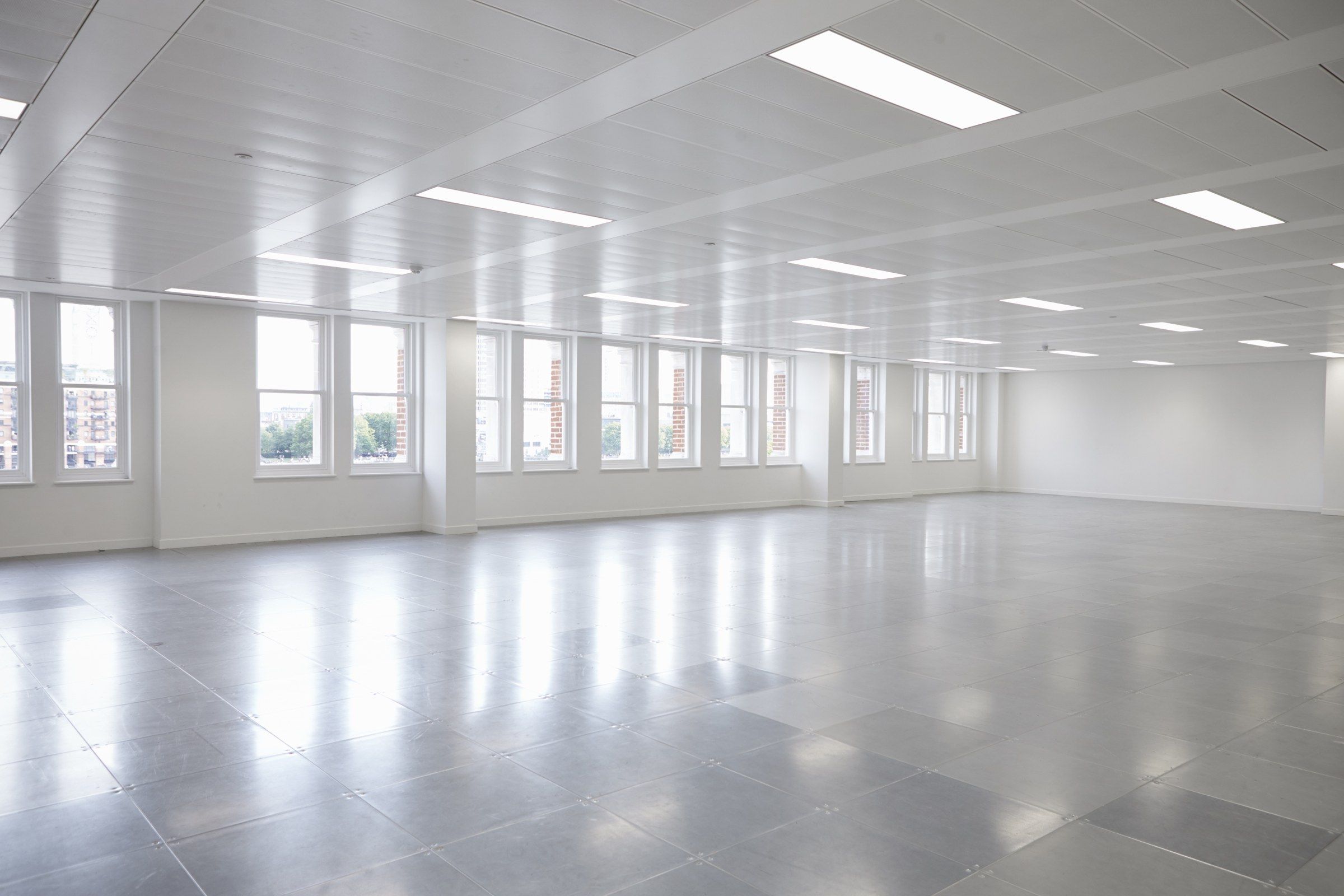
Finished open office floor with smooth white walls and a new ceiling

Contractors, owners and property managers

You need a drywall sub who reads the drawings, shows up on the day and does not leave a punch list a page long. We frame, board and finish to the partition schedule, and we tell you early if something on the plans will not work.

  • Tenant build-outs
  • Steel stud framing
  • Rated partitions
  • Off-hours work
Commercial drywall services
Remodeled home interior with new drywall finished and ready for paint

Homeowners and remodelers

You need walls that look right and a house that is not coated in dust. We protect what stays, keep to the days we gave you, and leave the room ready for the painter.

  • Remodels and additions
  • Basements and garages
  • Popcorn ceiling removal
  • Cracks, holes and leaks
Residential drywall services
How we work

From first call to final walkthrough

Five steps. The middle one takes longest, because compound dries on its own schedule.

  1. Estimate

    Photos or a site visit, then a written scope and price.

  2. Schedule

    A start date and a day-by-day outline you can plan around.

  3. Hang and finish

    Board up, joints taped, three coats, each one dry before the next.

  4. Inspect

    Sanded and checked under a work light. Flaws marked and fixed.

  5. Hand over

    Cleaned up, walked through with you, ready for primer.

Before and after

What finishing actually changes

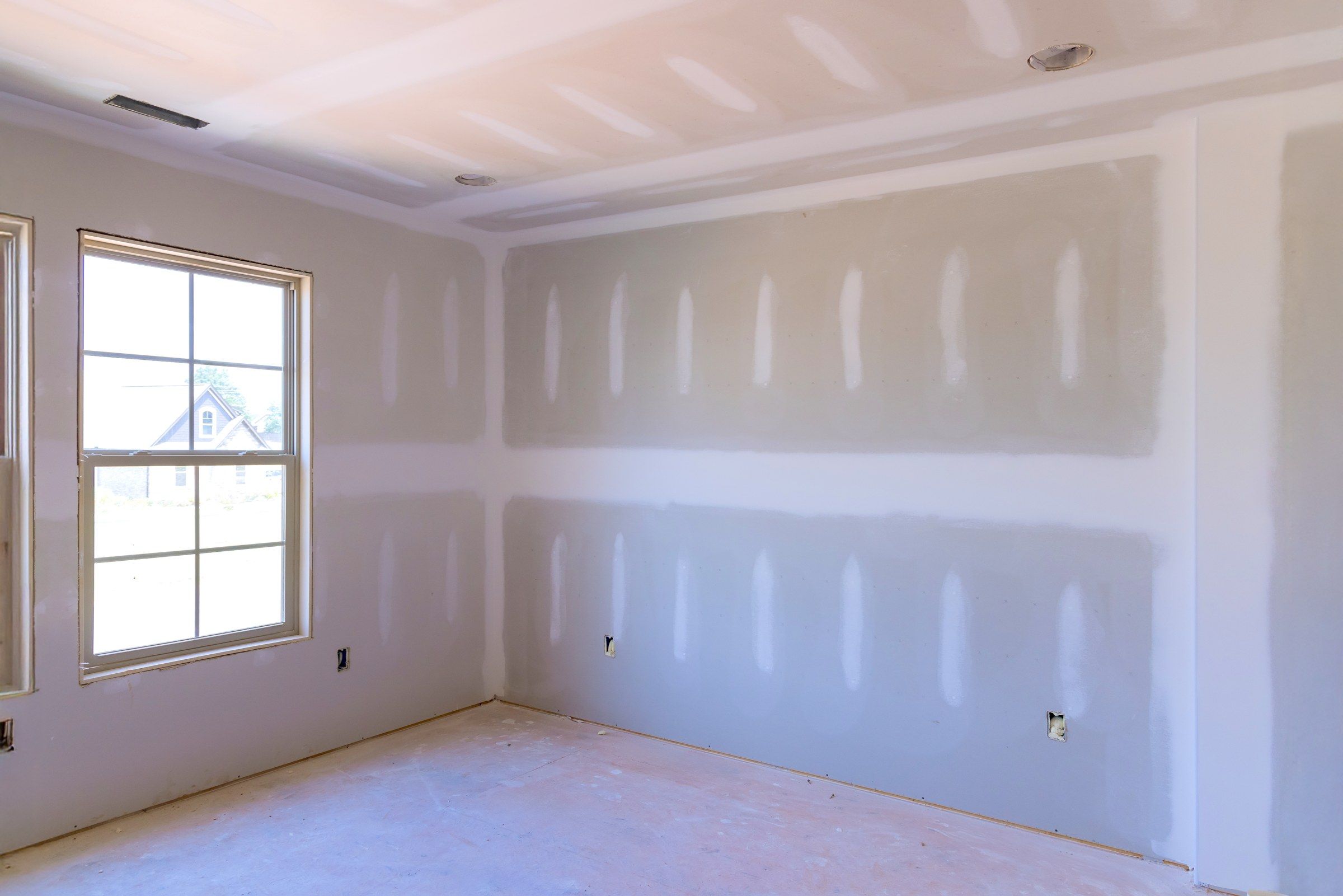
Slide the bar. On one side, board with taped seams and spotted screws. On the other, a surface with no seams to find.

After: finished room with smooth, even wallsBefore: new drywall with taped seams and coated screw heads

Stock photos used to illustrate the change. Not a specific project of ours.

Service area

Based in Waukesha. Working across the county.

We know the buildings here. Century-old brick downtown near Five Points. Plaster houses around Carroll University. Ranches and split-levels to the south and west. Offices and industrial space along Moreland, Grandview and Sunset.

Different buildings fail in different ways, and they are repaired in different ways. Local experience is mostly knowing which is which before the wall is opened.

Where we take work

  • Waukesha
  • Pewaukee
  • Brookfield
  • New Berlin
  • Delafield
  • Wales
  • Genesee
  • Big Bend
Before you hire

A plain guide to drywall work in Waukesha

What the work includes, what changes the price, and what to have ready. Fifteen short sections. Read the ones that apply.

  1. What drywall work actually includes

    Three stages. Hanging puts board on framing. Taping covers joints and fasteners with tape and compound. Finishing is the last coats and sanding, done to an agreed level so the surface is ready for primer.

    Some jobs need all three. A basement, an addition, a build-out. Some need only the last two, such as a room where the owner hung the board. Repairs compress all three into a small area and add a fourth task, which is blending the new work into the old wall.

    When you ask for a price, say which stages you want. When you compare prices, check that each one covers the same stages and the same finish level.

  2. How finish levels work

    The industry describes finish in levels from 0 to 5. Level 0 is bare board. Levels 1 and 2 are for hidden spaces and garages. Level 3 goes under heavy texture. Level 4 is the normal standard for painted walls. Level 5 adds a thin skim over the whole surface for the most demanding light and paint.

    Higher is not always better. It is more labor, and in a closet nobody benefits. The right level depends on the light in the room and the sheen of the paint. We will recommend one for each area and write it into the estimate.

  3. What Waukesha houses tend to need

    This is an old city with new edges. Near downtown there are houses with original plaster, later drywall additions, and a century of repairs layered on both. Mid-century neighborhoods have ranches with sprayed ceilings and basements finished in paneling. The newer subdivisions have tall ceilings, open plans, and the screw pops and corner cracks that come with young framing.

    Each calls for something different. Plaster-to-drywall transitions need reinforcing. Sprayed ceilings need testing before removal. New homes mostly need patience, then one thorough repair visit after the lumber has finished drying.

  4. Weather and timing

    Compound dries by evaporation, so the season matters. In winter, heated houses dry fast and unheated spaces do not dry at all. In summer, basements stay damp and slow everything down unless a dehumidifier is running.

    Plan for it. Garages and additions in cold months need temporary heat. Basements need air movement. A normal three-coat finish needs at least three visits with drying time between. That time can be shortened a little with setting compounds. It cannot be removed.

  5. Permits and inspections

    Patching a wall does not usually involve a permit. Finishing a basement, adding a room or altering a commercial space generally does. In those jobs the drywall stage waits on inspections of the framing, wiring, plumbing and insulation behind it.

    The rules come from the municipality. The City of Waukesha building department, or the one for your town or village, can tell you what applies. If your project has a permit, tell us where it stands and we will schedule the hang after the rough inspections pass.

  6. How to get an accurate number

    Send photos. One wide, one close, with something for scale. Give rough room sizes and ceiling height. Say whether the space is lived in or empty, and what the walls will be painted with.

    Say what caused the damage if it is a repair. Say when you need it done. If a painter or a flooring crew is booked behind us, we need that date at the start.

    For small repairs, that is often enough to price the job. For larger work we come out, measure, and look at the framing and the access before putting a number in writing.

  7. Repair or replace

    Dry, firm, well-fastened board can be repaired almost indefinitely. Cracks, holes, dents and loose tape are all repairs. Board that has been soaked, has gone soft, or crumbles at the screws should be replaced.

    Scale matters too. When a ceiling has a dozen patches of different ages and thicknesses, a new layer of board over the whole thing is often less work and gives a flatter result. We look at what is there and recommend the smaller job when the smaller job will last.

  8. After we leave

    Prime first. New board and compound absorb paint at different rates, and a drywall primer evens that out. Look at the primed walls in daylight and mark anything you want touched up before color.

    Expect some movement in the first year of new construction. A hairline at a corner or a screw that shows after winter is routine and easy to correct. Keep indoor humidity steady through the seasons and the walls will stay quieter.

  9. Doing part of it yourself

    Plenty of owners handle demolition, clear the rooms, or hang their own board. That is a reasonable way to control cost. Finishing is the stage to hire out, because it depends on feel that takes years to build.

    If you plan to hang and have us finish, call before you start. Sheet layout, screw depth and where the butt joints land all affect how the finish turns out. Ten minutes of advice at the beginning saves a day at the end.

  10. Terms worth knowing

    Drywall, sheetrock, gypsum board and wallboard all mean the same product. Sheetrock is a brand name. Mud is joint compound. Tape is the paper strip bedded over every joint. Bead is the strip that makes an outside corner straight.

    A butt joint is where two cut ends meet. A tapered joint is where two factory edges meet and leave a shallow recess for the compound. Feathering is thinning the edge of a coat until it disappears. Skim coating is spreading a thin layer over a whole surface. Type X is fire-rated board. Level 5 is the smoothest standard finish.

    You do not need to learn the trade. Knowing these few words makes it easier to read an estimate and to ask the right question when two estimates disagree.

  11. How we keep a house livable during the work

    Dust is the main complaint about drywall work, and most of it is avoidable. The work area is closed off with plastic at the doorway. Floors on the route in and out are covered. Supply and return vents in the room are sealed so the furnace does not carry dust through the house.

    Sanding is done with tools connected to a vacuum where the job allows, and by hand with a light touch where it does not. At the end of each day the area is swept and tools are stacked out of the way.

    Compound has a mild smell while it dries and none once it has cured. Rooms can be slept in between coats. Pets and small children should be kept out of the work area, mainly because wet compound on a wall is very tempting to touch.

  12. Commercial and residential are different jobs

    The materials overlap. The way the work is run does not. A house is finished around the people who live in it, one or two rooms at a time, with protection for floors and furniture. A commercial space is finished to a schedule shared with other trades, usually on steel studs, often with fire-rated walls, and often outside business hours.

    We do both, and we plan them differently from the first conversation. If you are a homeowner, expect questions about paint, pets and which bathroom you need to keep. If you manage a building, expect questions about drawings, access, inspections and who signs off.

  13. What an estimate from us covers

    A written scope in plain language. Which rooms and surfaces. Which stages: hang, tape, finish. The finish level for each area. Whether texture matching is included. What protection and cleanup are included. What is not included, such as painting or fixing the source of a leak.

    It also lists what we need from you: heat, access, a place for materials, and decisions that affect the work. If something cannot be known until a wall is opened, the estimate says so and explains how that part will be priced once we can see it.

    Read it against any other estimate line by line. Where two numbers differ, the difference is usually in the scope, and usually in the finish level.

  14. Common reasons people call us

    A basement is framed and ready for board. A plumber has left six holes after a repipe. A ceiling stained after the bathroom above overflowed. A house is going on the market and the walls need to look right. A new tenant needs three offices and a conference room by the first of the month.

    The jobs are different sizes. The questions at the start are the same. What is there now, what should it look like when we leave, and what has to happen in between. If you can answer the first two, we can work out the third.

  15. What we ask of you

    Heat on. A clear path in. A place to stack board and set up. Decisions made on finish and texture before we start. Someone we can reach by phone during the job if a question comes up behind a wall.

    In return you get a crew that shows up when it said it would, tells you what it found, and leaves the place clean. That is the whole arrangement.

Questions

Short answers to what people ask first

What does an estimate cost?

Nothing. Send the form with a description and photos. Small repairs can often be priced from that. Larger jobs get a site visit and a written quote.

Do you do both houses and commercial buildings?

Yes. Roughly speaking, the work is the same trade with different rules. We do remodels and repairs in homes, and framing, board and finish in offices, shops and industrial space.

How long will my job take?

A patch: one or two visits. A room: about a week. A basement: about two. A commercial build-out depends on the drawings. Most of the calendar is drying time, not labor.

Do you supply the materials?

Yes. Board, fasteners, corner bead and compound are included in the price unless you ask for labor only.

Is the work messy?

Drywall makes dust. We contain it with plastic, cover floors and vents, sand with vacuum sanders and clean up before leaving.

Which towns do you work in?

Waukesha first, then the rest of Waukesha County within a reasonable drive: Pewaukee, Brookfield, New Berlin, Delafield, Wales, Genesee, Big Bend. Outside that, ask.

Have a drywall job in Waukesha? Get a number for it.

Free, written, and specific to your project.

Get a free estimate

Request a free estimate

Job details and a way to reach you. That is all we need to start.

Room sizes, what happened, and your timing all help us give a realistic figure.

Up to 5 images, 10 MB each.

We use these details only to reply about your project.